
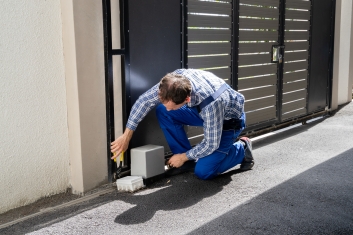
Electric gate repairs involve inspecting and fixing mechanical, electrical, and safety faults to ensure an automated gate operates reliably, safely, and securely.
For homeowners, landlords, and commercial property owners with electric gates, small changes in how the system moves, sounds, or stops often indicate a fault needing professional attention before it affects access, security, or user safety.
Some faults happen suddenly, but many begin with subtle warning signs. A gate might move slowly, make a new sound, stop in the wrong position, or respond inconsistently. Ignoring these changes can lead to more extensive mechanical failures, unexpected breakdowns, or costly repairs, increasing the risk of gate failure and compromising security.
This comprehensive guide explains the signs that electric gates need repair, the most common faults, why DIY work can be dangerous, when to call a specialist, how regular electric gate servicing helps, and what to look for when choosing a gate repair service.
Noticed a problem with your gate? Contact our team for reliable electric gate repairs and gate automation services.
Why Electric Gate Problems Should Not Be Ignored
An automated gate is a heavy moving system that may use underground motors, arm motors, sliding mechanisms, safety sensors, control boards, and access-control equipment.
When the system works properly, these components allow the gate to open and close smoothly. If one part becomes damaged or incorrectly aligned, additional pressure may be placed on the rest of the mechanism, leading to mechanical failures.
Continuing to use a faulty gate can cause:
- More extensive mechanical damage
- Motor failure
- Access problems
- Reduced property security
- Damage to vehicles
- Safety risks for pedestrians
- Higher repair costs
- Complete gate failure
Professional inspection is especially important when the problem involves electrical wiring, gate motors, or safety equipment. Attempting repairs without the correct knowledge may worsen the fault or create serious hazards.
1. Your Gate Moves Slowly or Moves Slowly Than Usual
A noticeable reduction in opening or closing speed is a common sign that an electric gate needs attention.
The cause could be minor, such as dirt or debris around the mechanism. However, slow operation may also suggest:
- Weakening motor
- Worn hinges or rollers
- Poor gate alignment
- Track obstructions
- Low hydraulic pressure
- Power supply problems
- Increased resistance within the mechanism
A motor that repeatedly works harder than intended may overheat or fail prematurely. Arranging automatic gate repair early is a cost-effective way to avoid costly repairs or motor replacement.
Do not force the gate or attempt to move it manually unless the manufacturer’s instructions explain how to use the manual release safely.
A slow or automatic gate that moves slowly can signal a bigger fault. Book an inspection today.
2. The Gate Makes Grinding, Scraping, or Clicking Sounds
Electric gates usually produce some noise during operation, but new or unusually loud sounds should not be ignored.
Grinding can indicate worn mechanical components or a motor under excessive strain, but may also be caused by poor lubrication or rust accumulation. Scraping may mean the gate has dropped, moved out of alignment, or is making contact with the ground. Repeated clicking could point to a relay, control board, or access-control fault.
Other concerning sounds include:
- Squeaking
- Banging
- Rattling
- Humming without movement
- Metal scraping against metal
- Sudden clunks when stopping
Routine electric gate servicing supports trouble free operation by spotting worn components and lubricating moving parts to reduce friction and prevent rust before damage develops.
3. The Gate Opens or Closes Unevenly
Double gates should move in a controlled and coordinated sequence, while sliding gates travel evenly along their path.
If one gate leaf moves faster than the other, stops early, or begins to drag, the system may be incorrectly aligned or experiencing mechanical faults.
Uneven movement could be caused by:
- Worn hinges
- Damaged motors
- Incorrect control settings
- Obstructions
- Ground movement
- Loose brackets
- Problems with gate stops
- An unbalanced gate leaf
The issue may worsen each time the system operates. A misaligned gate can strain the motor and damage physical components, turning a straightforward adjustment into more extensive gate repairs.
4. The Gate Stops Before Fully Opening or Closing
An electric gate should consistently reach its programmed opening and closing positions. If it stops halfway or leaves a gap, something is interfering.
Safety sensors may detect an obstruction when none is visible, or there may be problems with limit settings, motor, control board, or power supply.
A gate that fails to close completely creates a security risk. Faulty sensors are a common reason electric gates do not close properly even when clear.
Professional engineers can test whether the problem involves the physical gate, automation systems, or safety devices.
Keep your entrance secure. Arrange professional automatic gate repair.
5. The Gate Reverses Without an Obstruction
Safety systems stop or reverse gates when obstacles are detected, preventing accidents.
If the gate repeatedly reverses when clear, it may react to real obstructions or misaligned sensors caused by:
- Dirty photo-eye sensor
- Misaligned photocells
- Damaged wiring
- Water ingress
- Electrical interference
- Incorrect force settings
- Physical obstruction elsewhere
Cleaning the photo-eye sensor may resolve the issue, but continued reversing requires professional safety feature testing to ensure compliance with UK safety standards.
Faulty sensors should never be disconnected to keep the gate moving; safety features like photocells and emergency stop mechanisms require regular testing during electric gate servicing.
6. The Remote Control or Access System Is Unreliable
Intermittent remote control issues may be weak batteries, but widespread problems often indicate faults in the receiver, control panel, or electrical system.
Access problems can affect:
- Remote-control transmitters
- Keypads
- Intercom systems
- Key switches
- Vehicle detection loops
- Smartphone controls
- Proximity fobs
- Timed access systems
Professional testing can identify whether the fault lies in the controls or main gate system.
Access-control problems should be investigated promptly, especially at commercial properties where unreliable gates delay deliveries or prevent authorised access.
7. The Gate Does Not Respond at All
A completely unresponsive gate needs professional attention. Before repair, check for power cuts or remote battery issues.
Potential causes include:
- Tripped electrical circuit
- Motor failure
- Control board damage
- Disconnected cables
- Blown fuses
- Water-damaged components
- Faulty receiver
- Emergency stop system activation
Avoid opening control boxes or DIY electrical repairs. Automated gates contain complex electrical wiring and mechanical parts requiring professional expertise.
8. The Gate Is Sagging or Dragging Along the Ground
Sagging places strain on automation, causing motor overwork and potential failure.
Causes include:
- Worn hinges
- Loose fixings
- Structural movement
- Impact damage
- Corrosion
- Incorrect installation
- Gate weight
Sagging often requires physical realignment before motor testing.
9. The Motor Runs but the Gate Does Not Move
Hearing the motor but no gate movement indicates power transfer issues such as:
- Damaged drive mechanism
- Disconnected arm
- Worn gears
- Broken chain
- Faulty clutch
- Underground motor problems
- Manual release engaged
Stop operating the gate and arrange professional electric gate repairs.
10. The Gate Has Visible Damage
Visible damage should be taken seriously, including:
- Bent gate leaves
- Cracked hinges
- Loose brackets
- Damaged motor arms
- Exposed wiring
- Broken photocells
- Dented tracks
- Corroded components
- Damaged safety edges
- Loose control boxes
Impact can affect unseen components; professional inspection ensures safety and identifies all needed repairs.
11. The Gate Works Intermittently
Intermittent faults can result from loose electrical connections, overheating motors, faulty sensors, or control-board issues, often influenced by weather.
Document fault occurrences to assist diagnosis.
12. The Manual Release Is Difficult to Use
Manual release mechanisms are vital for emergency access. Difficulty operating them can prevent access during power failures.
They should be checked regularly as part of automatic gate maintenance.
13. Safety Sensors Are Damaged or Misaligned
Safety sensors detect obstacles and prevent accidents. Signs of sensor problems include:
- Gate refusing to close
- Unnecessary reversing
- Warning lights on photocells
- Intermittent operation
- Visible damage
- Loose sensor housings
Clean or realign sensors professionally; never bypass safety equipment.
14. The Gate Has Been Damaged by Bad Weather
Severe weather affects electric gates by causing rust, misalignment, or water ingress affecting the electrical system.
Inspect for:
- Leaning posts
- Loose components
- Water around electrical equipment
- Obstructed tracks
- Misaligned leaves
- Damaged hinges
- Exposed cables
Arrange gate repairs if unsafe or malfunctioning.
Why DIY Electric Gate Repairs Can Be Dangerous
Electric gates are heavy systems with electrical wiring and mechanical parts. Incorrect repairs risk injury, damage, or safety feature failure.
Professionals trained in gate safety regulations Electric gate repairs involve inspecting and fixing mechanical, electrical and safety faults so an automated gate operates reliably, safely and securely. For homeowners, landlords and commercial property owners with electric gates, small changes in how the system moves, sounds or stops often point to a fault that needs professional attention before it affects access, security or user safety.
Some faults happen suddenly, but many begin with subtle warning signs. A gate might move slower than usual, make a new sound, stop in the wrong position or respond inconsistently. Ignoring these changes can turn a minor defect into a more expensive repair, increase the risk of unexpected failure and leave the gate unsafe or difficult to use.
This guide explains the signs that electric gates need repair, the most common faults, why DIY work can be dangerous, when to call a specialist, how regular maintenance helps, and what to look for when choosing a gate repair service.
Noticed a problem with your gate? Contact our team.
Why Electric Gate Problems Should Not Be Ignored
An automated gate is a heavy moving system. It may use underground motors, arm motors, sliding mechanisms, safety sensors, control boards and access-control equipment.
When the system is working properly, these components allow the gate to open and close smoothly. If one part becomes damaged or incorrectly aligned, additional pressure may be placed on the rest of the mechanism.
Continuing to use a faulty gate can lead to:
- More extensive mechanical damage
- Motor failure
- Access problems
- Reduced property security
- Damage to vehicles
- Safety risks for pedestrians
- Higher repair costs
- Complete gate failure
Professional inspection is especially important when the problem involves electrical components, gate motors or safety equipment. Attempting repairs without the correct knowledge may worsen the fault or create a serious hazard.
1. Your Gate Is Moving More Slowly Than Usual
A noticeable reduction in opening or closing speed is one of the most common signs that an electric gate needs attention.
The cause could be relatively minor, such as dirt or debris around the mechanism. However, slow operation may also suggest:
- A weakening motor
- Worn hinges or rollers
- Poor gate alignment
- Track obstructions
- Low hydraulic pressure
- power supply problems
- Increased resistance within the mechanism
A motor that repeatedly works harder than intended may overheat or fail prematurely. Arranging electric gate repairs early is a cost effective way to avoid costly repairs or a motor replacement, and power failures are a common electric gate issue.
Do not force the gate or attempt to move it manually unless the manufacturer’s instructions explain how to use the manual release safely.
A slow gate can signal a bigger fault. Book an inspection.
2. The Gate Makes Grinding, Scraping or Clicking Sounds
Electric gates will usually produce some noise during operation, but new or unusually loud sounds should not be ignored.
Grinding can indicate worn mechanical components or a motor under excessive strain, but it may also be caused by poor lubrication or rust accumulation. Scraping may mean that the gate has dropped, moved out of alignment or is making contact with the ground. Repeated clicking could point to a relay, control board or access-control fault.
Other concerning sounds include:
- Squeaking
- Banging
- Rattling
- Humming without movement
- Metal scraping against metal
- Sudden clunks when stopping
The sound itself may help an engineer identify where the problem is developing. If possible, note when it occurs and whether it happens during opening, closing or both.
Routine gate maintenance and regular servicing support reliability by helping keep the system running smoothly. Professional gate servicing and servicing can help spot worn components and lubricate moving parts to reduce friction and prevent rust before damage develops.
3. The Gate Opens or Closes Unevenly
Double gates should normally move in a controlled and coordinated sequence. Sliding gates should travel evenly along their intended path.
If one gate leaf moves faster than the other, stops early or begins to drag, the system may be incorrectly aligned or experiencing a mechanical fault.
Uneven movement could be caused by:
- Worn hinges
- Damaged motors
- Incorrect control settings
- Obstructions
- Ground movement
- Loose brackets
- Problems with the gate stops
- An unbalanced gate leaf
The issue may become worse each time the system operates. A misaligned gate can strain the motor and damage physical components, turning a straightforward adjustment into more extensive gate repairs.
4. The Gate Stops Before Fully Opening or Closing
An electric gate should reach its programmed opening and closing positions consistently. If it stops halfway or leaves a large gap, something is interfering with its operation.
Safety sensors may be detecting an obstruction, even when nothing is visibly blocking the entrance. Alternatively, there may be a problem with the limit settings, motor, control board or power supply.
A gate that fails to close completely also creates a security risk. Faulty sensors are one common reason electric gates do not close properly, even when the entrance appears clear. People or vehicles may be able to enter the property without authorisation.
Professional engineers can test the system and determine whether the problem involves the physical gate, its automation systems or safety devices.
Keep your entrance secure. Arrange professional gate repairs.
5. The Gate Reverses Without an Obstruction
Safety systems are designed to stop or reverse an automated gate when an obstacle is detected, and obstruction detection sensors help prevent accidents during operation. This helps protect pedestrians, vehicles and property.
However, if the gate repeatedly reverses when the entrance is clear, it may be reacting to a real obstruction or to misaligned sensors.
Possible causes include:
- Dirty photo-eye sensor
- Misaligned photocells
- Damaged wiring
- Water ingress
- Electrical interference
- Incorrect force settings
- A physical obstruction elsewhere in the mechanism
Cleaning the photo-eye sensor may resolve the issue, but if reversing continues, the safety features still need proper testing to confirm they meet safety standards.
Faulty sensors should never simply be disconnected to keep the gate moving. They are an essential part of the system, and features such as photocells and emergency stop mechanisms should be regularly tested during professional electric gates maintenance, regular servicing and servicing.
6. The Remote Control or Access System Is Unreliable
If a remote control works intermittently, the problem may be as simple as a weak battery. However, when several controls experience the same issue, the fault may be within the receiver, control panel or electrical supply.
Access problems may affect:
- Remote-control transmitters
- Keypads
- Intercom systems
- Key switches
- Vehicle detection loops
- Smartphone controls
- Proximity fobs
- Timed access systems
An engineer can test whether the fault is coming from the individual control device or the main gate system.
Access-control problems should be investigated promptly, particularly at commercial properties where an unreliable gate could delay deliveries, inconvenience employees or prevent authorised vehicles from entering.
7. The Gate Does Not Respond at All
A completely unresponsive gate requires professional attention. Before requesting a repair, you can safely check whether there has been a local power cut and whether the remote-control battery needs replacing.
If the power supply appears normal, the problem may involve:
- A tripped electrical circuit
- Motor failure
- Control board damage
- A disconnected cable
- A blown fuse
- Water-damaged components
- A faulty receiver
- The emergency stop system
Avoid opening electrical control boxes or attempting to repair wiring yourself. Automated systems contain electrical and mechanical components that should only be inspected by someone with the correct experience.
Professional gate repair Bristol services can identify the cause and recommend the safest solution.
Gate not responding? Call our repair team today.
8. The Gate Is Sagging or Dragging Along the Ground
A gate leaf that sags or drags can place significant strain on the automation system. The motor must work harder to move the additional resistance, which may eventually cause it to fail.
Sagging can result from:
- Worn hinges
- Loose fixings
- Structural movement
- Impact damage
- Corrosion
- Incorrect installation
- The weight of the gate
You may notice marks on the driveway, difficulty using the manual release or a scraping noise as the gate moves.
This type of problem often requires more than an adjustment to the motor. The physical gate must be inspected and correctly realigned before the automation is tested again.
9. The Motor Runs but the Gate Does Not Move
If you can hear the motor operating but the gate remains still, there may be a problem transferring power from the motor to the gate.
Depending on the system, the cause might include:
- A damaged drive mechanism
- A disconnected arm
- Worn gears
- A broken chain
- A faulty clutch
- Problems with an underground motor
- The manual release remaining engaged
Continuing to activate the controls may place additional strain on the motor. Stop operating the gate and arrange professional electric gate repairs.
An engineer can assess whether an individual component needs replacing or whether the motor itself has suffered damage.
10. The Gate Has Visible Damage
Visible damage should always be taken seriously, even if the gate continues to operate.
Common examples include:
- Bent gate leaves
- Cracked hinges
- Loose brackets
- Damaged motor arms
- Exposed wiring
- Broken photocells
- Dented tracks
- Corroded components
- Damaged safety edges
- Loose control boxes
Impact from a vehicle can affect more than the area that appears damaged. The force may move posts, alter the alignment or damage automation components.
A professional inspection will determine whether the gate is safe to use and identify everything that needs repair.
Companies offering gates and barriers repairs can also assess connected entrance systems where more than one access point has been affected.
11. The Gate Works Intermittently
Intermittent faults can be frustrating because the system may work normally during one cycle and fail during the next.
These problems can be caused by loose electrical connections, overheating motors, unreliable sensors or developing control-board faults. Weather conditions may also influence the problem if moisture is entering an electrical component.
Keep a record of when the fault occurs. Useful details include:
- The time of day
- The weather conditions
- Which control was used
- Whether the gate was opening or closing
- How long the system had been operating
- Any warning lights or unusual sounds
This information may help the repair engineer diagnose a fault that is not present throughout the inspection.
Intermittent faults rarely fix themselves. Get expert help.
12. The Manual Release Is Difficult to Use
Automated gates should normally include a manual release mechanism so they can be opened during a power failure or automation fault.
If the manual release is seized, damaged or difficult to operate, you may be unable to access or secure the property during an emergency.
The release mechanism should be checked periodically as part of automated gate maintenance. Property owners should also know where the release key is stored and how to use it correctly.
Do not wait until the gate has failed to test this feature. A professional engineer can confirm that the release operates properly without compromising the security of the entrance.
13. Safety Sensors Are Damaged or Misaligned
Safety devices are critical components of an electric gate. They help detect people, vehicles and other obstacles within the gate’s movement area.
Signs of a sensor problem may include:
- The gate refusing to close
- Unnecessary reversing
- Warning lights on the photocells
- Intermittent operation
- Visible impact damage
- Loose sensor housings
Photocells can sometimes become misaligned after being knocked by a vehicle, garden equipment or delivery trolley. Dirt, leaves and spider webs may also interfere with their operation.
If gentle cleaning of the external lens does not resolve the issue, arrange a professional inspection. Never bypass the safety equipment to restore operation.
14. The Gate Has Been Damaged by Bad Weather
Electric gates are designed for outdoor use, but severe weather can still affect their operation.
Strong winds can place additional pressure on large solid gate leaves. Heavy rain may expose damaged seals or allow moisture to enter electrical equipment. Freezing temperatures can affect moving parts, while storms can leave debris in the track, which may block electric gate movement; blocked tracks are one of the common issues that affect gates after bad weather, along with power failures.
After severe weather, inspect the entrance from a safe distance and look for:
- Leaning posts
- Loose components
- Water around electrical equipment
- Obstructed tracks
- Misaligned gate leaves
- Damaged hinges
- Exposed cables
Arrange gate repairs if anything appears unsafe or the system begins operating differently.
Why DIY Electric Gate Repairs Can Be Dangerous
It may be tempting to investigate a fault yourself, especially if the problem appears simple. However, electric gates are heavy systems powered by electrical and mechanical equipment.
Incorrect work can cause the gate to move unexpectedly, trap a person or vehicle, damage the motor or interfere with essential safety features.
Professional repair engineers should understand gate safety regulations, have training in gate safety regulations, and carry out repairs and testing to current UK safety standards so the system remains fully compliant. They have the equipment and experience to:
- Isolate the power safely
- Test electrical components
- Assess motor performance
- Inspect safety systems
- Realign gates
- Identify worn parts
- Complete repairs correctly
- Test the system after the work
Property owners can carry out basic visual checks and keep the entrance clear, but technical repairs should be left to a trained professional.
Do not risk further damage. Speak to our specialists.
How Regular Gate Maintenance Prevents Repairs
Not every fault can be avoided, but routine gate maintenance and regular servicing help prevent costly breakdowns and repairs, while supporting optimal performance.
During a maintenance visit, an engineer can inspect the gate structure, automation equipment, electrical components and safety devices. Worn parts can be identified before they fail completely.
Automated gates and electric gates should be serviced at least once a year.
Regular maintenance may include:
- Testing the opening and closing cycle
- Checking gate alignment
- Inspecting hinges, rollers and tracks
- Testing photocells and safety edges
- Assessing motors and control systems
- Checking manual release mechanisms
- Inspecting cables and connections
- Tightening appropriate fixings
- Looking for corrosion or damage
- Recommending necessary repairs
Planned electric gates maintenance is normally easier to manage than an unexpected emergency repair. It also helps keep the entrance safe, reliable and secure.
When Should You Call a Professional?
Professional attention is recommended whenever the gate:
- Moves unpredictably
- Makes unusual noises
- Stops before completing a cycle
- Fails to respond
- Reverses without a clear obstruction
- Shows visible damage
- Has faulty safety equipment
- Drags or becomes misaligned
- Operates inconsistently
- Cannot be released manually
Stop using the gate if its movement appears unsafe. Keep people and vehicles away from the operating area and contact a specialist for advice.
Providing details about the system, fault and any visible damage can help the engineer prepare for the visit.
Choosing a Professional Electric Gate Repair Service
A suitable repair company should understand both the physical gate and its automation equipment. Confirm the company specialises in your gate type and its automation systems. Fixing only one part of the system may not resolve the underlying problem.
When arranging gate repair Bristol services, look for a company that can provide:
- Mechanical and electrical fault finding
- Repairs to different gate types
- automation systems experience
- Safety-device testing
- Replacement components
- Planned maintenance
- Clear repair recommendations
- Support for domestic and commercial systems
Check recent local reviews, and make sure the technicians carry proper public liability insurance and relevant industry accreditations before booking.
A thorough inspection should identify the cause of the fault, not simply address the most obvious symptom.
Arrange Professional Gate Repairs Before Costly Repairs Worsen
Electric gates rarely fail without giving some indication that something is wrong. Slow operation, unusual noises, unreliable controls and uneven movement can all be early signs of a developing fault.
Responding quickly can prevent additional damage, protect the gate motor and reduce the risk of the gate failing completely, helping you avoid emergency repairs and more expensive replacement parts. Professional gate repairs also ensure that essential safety devices are properly inspected and tested.
Whether you require electric gate repairs, planned automated gate maintenance or wider gates and barriers repairs, our team can assess the system and recommend an appropriate solution, with cost varying by fault.
Restore safe and reliable access. Request your repair today.
Frequently Asked Questions
What are the most common signs that an electric gate needs repair?
Slow movement, unusual noises, uneven operation, unreliable controls, frequent reversing and failure to open or close completely are common signs that professional gate repairs may be required.
Can I continue using an electric gate with a minor fault?
Continuing to use a faulty gate may worsen the damage and create a safety risk. If its movement has changed or appears unsafe, stop using the system and arrange a professional inspection.
How quickly should I arrange electric gate repairs?
You should arrange repairs as soon as you notice a problem, particularly when it affects safety, security or access. Early attention may prevent a minor fault from causing more expensive damage.
Can regular maintenance prevent electric gate breakdowns?
Regular gate maintenance can identify worn parts, alignment problems and developing electrical faults before they cause a breakdown; regular servicing at least once a year can also prevent costly repairs and help keep electric gates running smoothly. It cannot prevent every issue, but it greatly reduces avoidable failures.
Do you provide gate repair services in Bristol?
Yes, our professional gate repair Bristol service covers electric gate faults, mechanical problems, automation issues and routine maintenance for domestic and commercial properties.
